Three-coat, one-coat or acrylic finish?
The choice is between a thick, code-prescribed cement system, a thinner proprietary one-coat system, and the type of finish coat on top. Each cures differently and handles cold weather differently.
Stucco is a cement plaster cladding applied in coats over wire lath and a sheathing membrane. The common systems for stucco in Calgary are traditional three-coat cement stucco, proprietary one-coat stucco, and a cement base with an acrylic finish coat. Sela Developments installs new stucco, re-stuccoes old walls and repairs cracked or damaged sections on homes and commercial buildings. We build to the National Building Code, Alberta Edition, which calls for at least 15 mm (5/8 in) of stucco kept at 10°C or warmer while it cures.
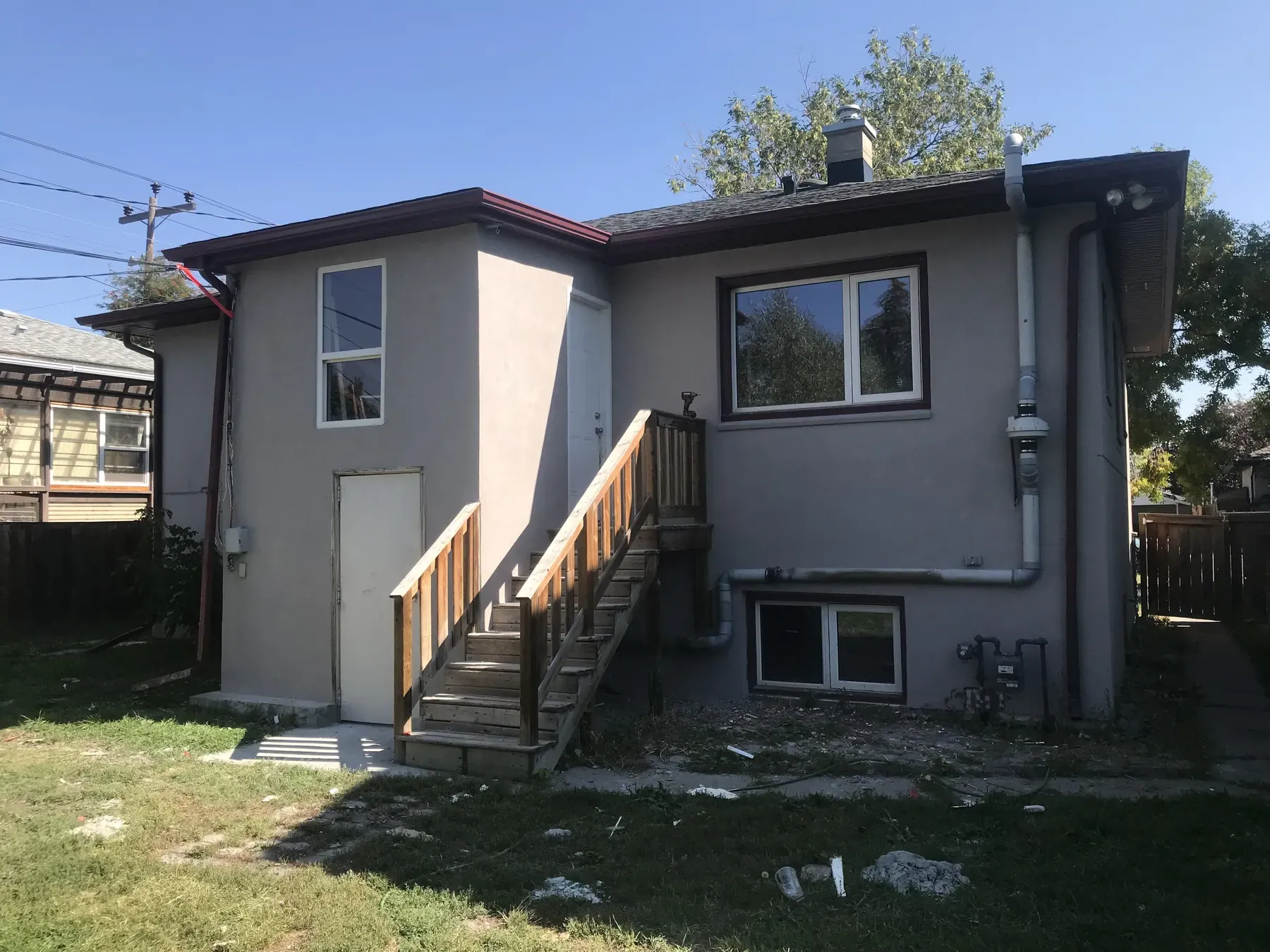
01 · Overview
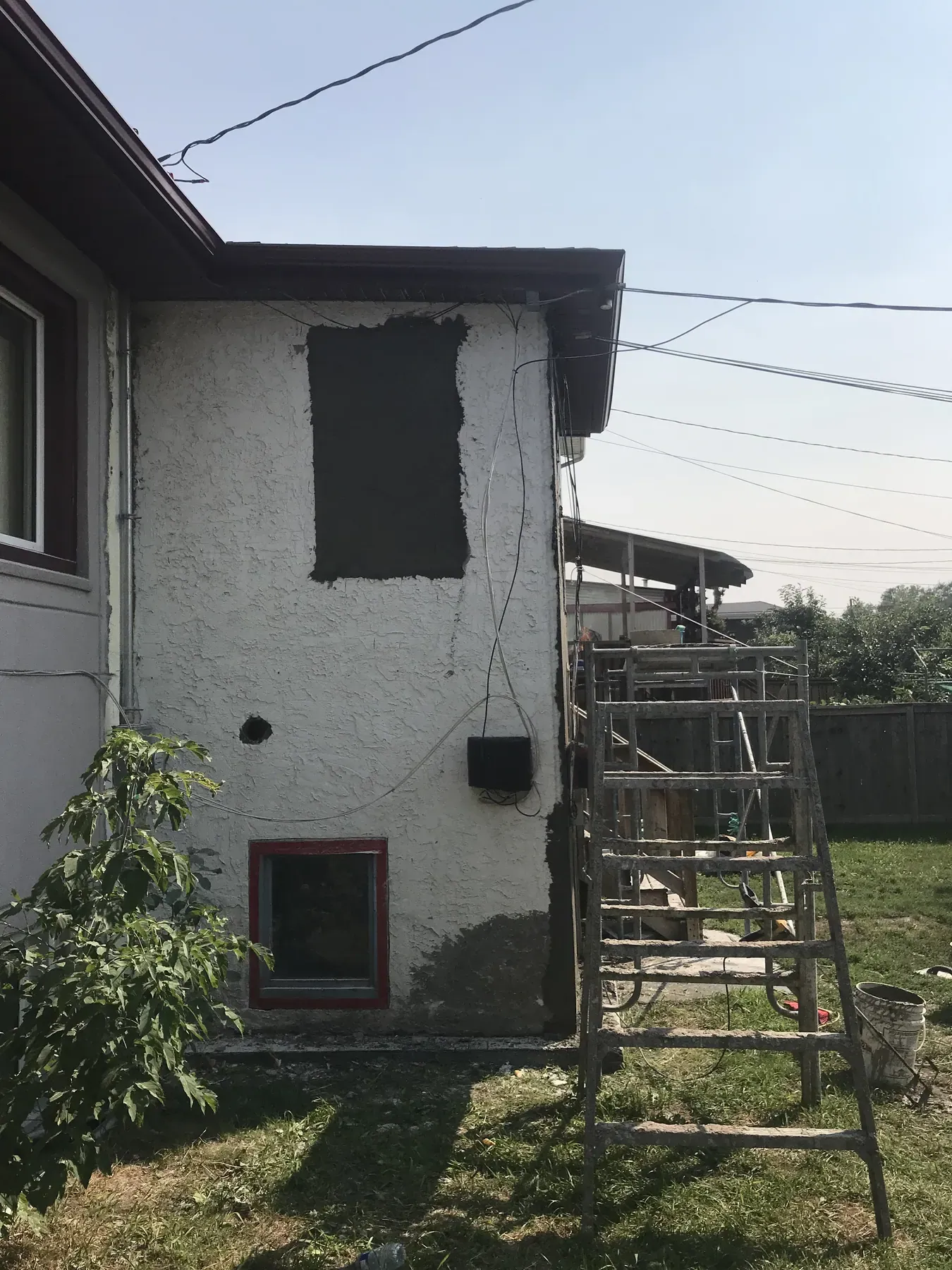
Stucco is a Portland cement plaster that is trowelled onto a wall in layers and hardens into a rigid shell. On a wood-frame wall it is never applied straight to the framing. The code requires sheathing (with narrow exceptions), a sheathing membrane, and wire lath to hold the stucco. Then the coats go on:
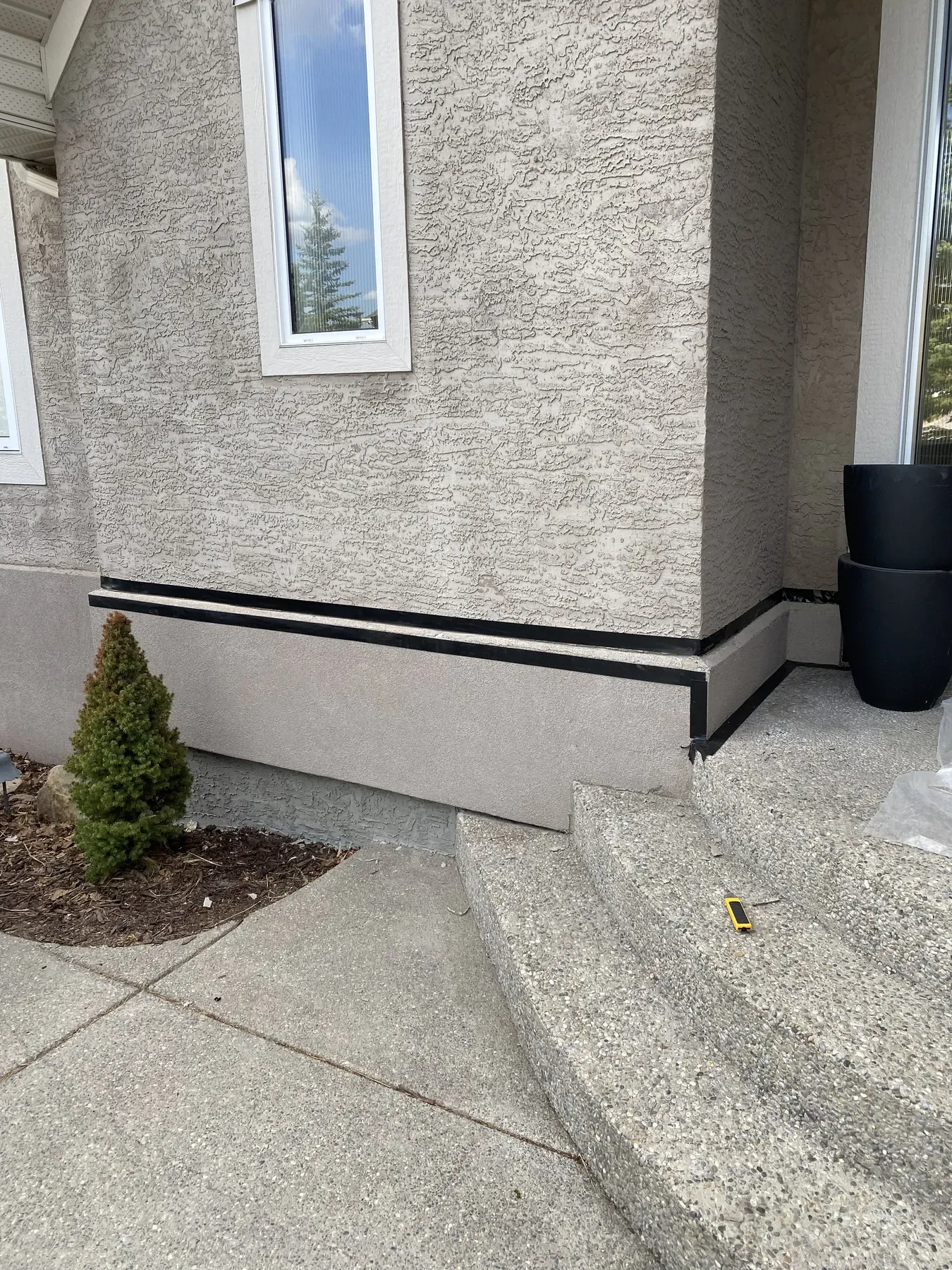
The total must be at least 15 mm (5/8 in) from the face of the lath, and stucco must stay at least 200 mm (8 in) above finished ground unless it is applied over concrete or masonry. Below that line, the foundation gets parging instead. As a stucco contractor, Sela Developments does new stucco, full re-stucco of older houses, crack and impact repairs, and commercial stucco on plazas, storefronts and industrial walls.
02 · Before you start
Five decisions shape every stucco job, whether it is a new house or a 40-year-old bungalow.
The choice is between a thick, code-prescribed cement system, a thinner proprietary one-coat system, and the type of finish coat on top. Each cures differently and handles cold weather differently.
Stucco is only attached to the lath, and the lath is only as good as its fasteners and the membrane behind it. On older walls the paper may be brittle and the lath rusted where water has sat.
Cement needs warmth and moisture to gain strength. The building code lists Calgary’s January design temperature at minus 30°C, which is why the code sets a minimum temperature for stucco during and after application.
Cracks come from movement and from curing. Framing shrinks, sheathing panels move, walls expand and contract with temperature, and stucco that dries too fast shrinks as it hardens.
A patch is cheaper, but on a weathered wall the new colour and texture can stand out, and a patch does not fix a failed membrane behind the old stucco.
03 · Key insight
The finish coat is what you see, and it is the thinnest layer on the wall. Whether stucco lasts is decided earlier: by how the lath is held, how the base coats are applied and how they cure.
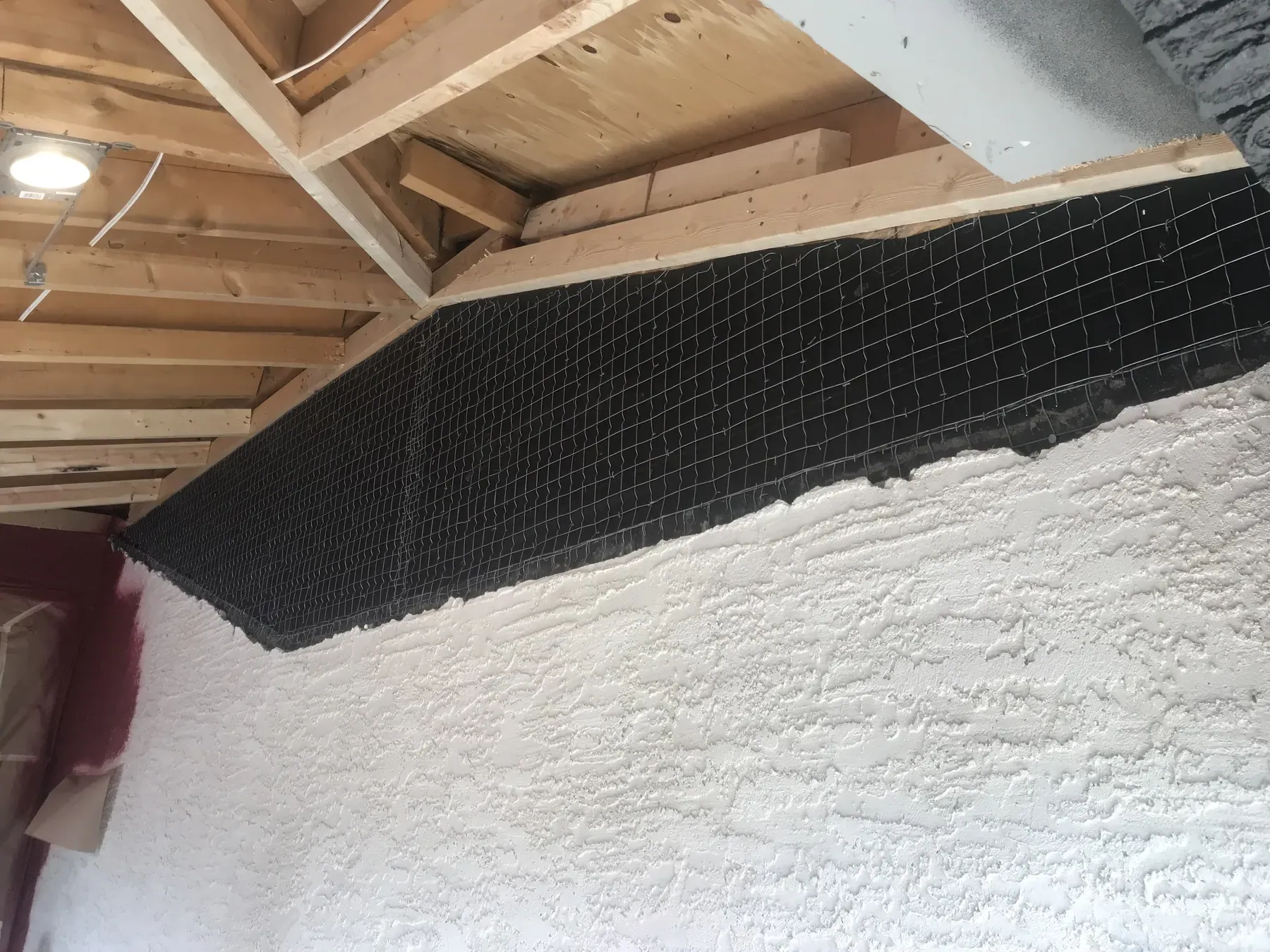
The code spells this out. Lath must be held at least 6 mm (1/4 in) off the backing with self-furring devices so the scratch coat can wrap around it. Laps in the lath must be at least 50 mm (2 in). Outside corners need lath or reinforcing that runs at least 150 mm (6 in) around the corner. On walls, fasteners go no more than 150 mm apart vertically and 400 mm horizontally, or 100 mm by 600 mm. Then the stucco must be kept at 10°C or warmer during application and for 48 hours after.
None of that is visible once the finish is on, so a fresh stucco wall can look identical whether it was built right or not. We photograph the membrane, the lath and the base coats before they are covered, so you have a record of what is behind the finish.
04 · How we work
Each of the five questions above has a direct answer in how we build.
Three-coat cement stucco is the system the code describes in full. The others follow the manufacturer’s instructions. The table shows what each one needs:
| System | Build-up | Cold weather limit | Curing |
|---|---|---|---|
| Three-coat cement stucco (NBC Section 9.28) | Scratch and brown coats of at least 6 mm each, finish at least 3 mm, 15 mm (5/8 in) total | Stucco at 10°C (50°F) or warmer during and 48 h after; base above freezing | Moist cure the first 48 h |
| One-coat stucco (example: Dryvit StucCoat One-Coat) | Fibre-reinforced cement base, minimum 9.5 mm (3/8 in) | 4°C (40°F) and rising for 24 h | Moist cure 48 h; at least 7 days before primer and finish |
| Acrylic finish coat (example: Dryvit StucCoat finish) | Integrally coloured acrylic finish over a cured cement base | Air and surface 4°C (40°F) or warmer for 24 h | Protect from rain for 24 h |
A one-coat system is thinner than the 15 mm the code sets for Part 9 stucco, so it relies on the manufacturer’s tested system rather than the code’s three-coat recipe. We confirm it is acceptable for the project before we quote it. Acrylic finishes carry the colour in the material and stay flexible.
On a re-stucco we strip back to the sheathing, replace damaged boards, and install new sheathing membrane lapped at least 100 mm (4 in), upper sheets over lower. New lath is held off the wall, lapped and fastened to the code spacing above. Any aluminum flashing is separated from the stucco by a membrane or coating, as the code requires.
Below 10°C we enclose the wall in hoarding and heat it so the base stays above freezing and the stucco stays at 10°C or warmer during application and for 48 hours after. The City of Regina’s cold weather stucco bulletin describes the same heating and hoarding approach under NBC Article 9.28.6.1. If the job cannot carry the cost of heat, we schedule the cement coats for spring and close the wall with membrane in the meantime.
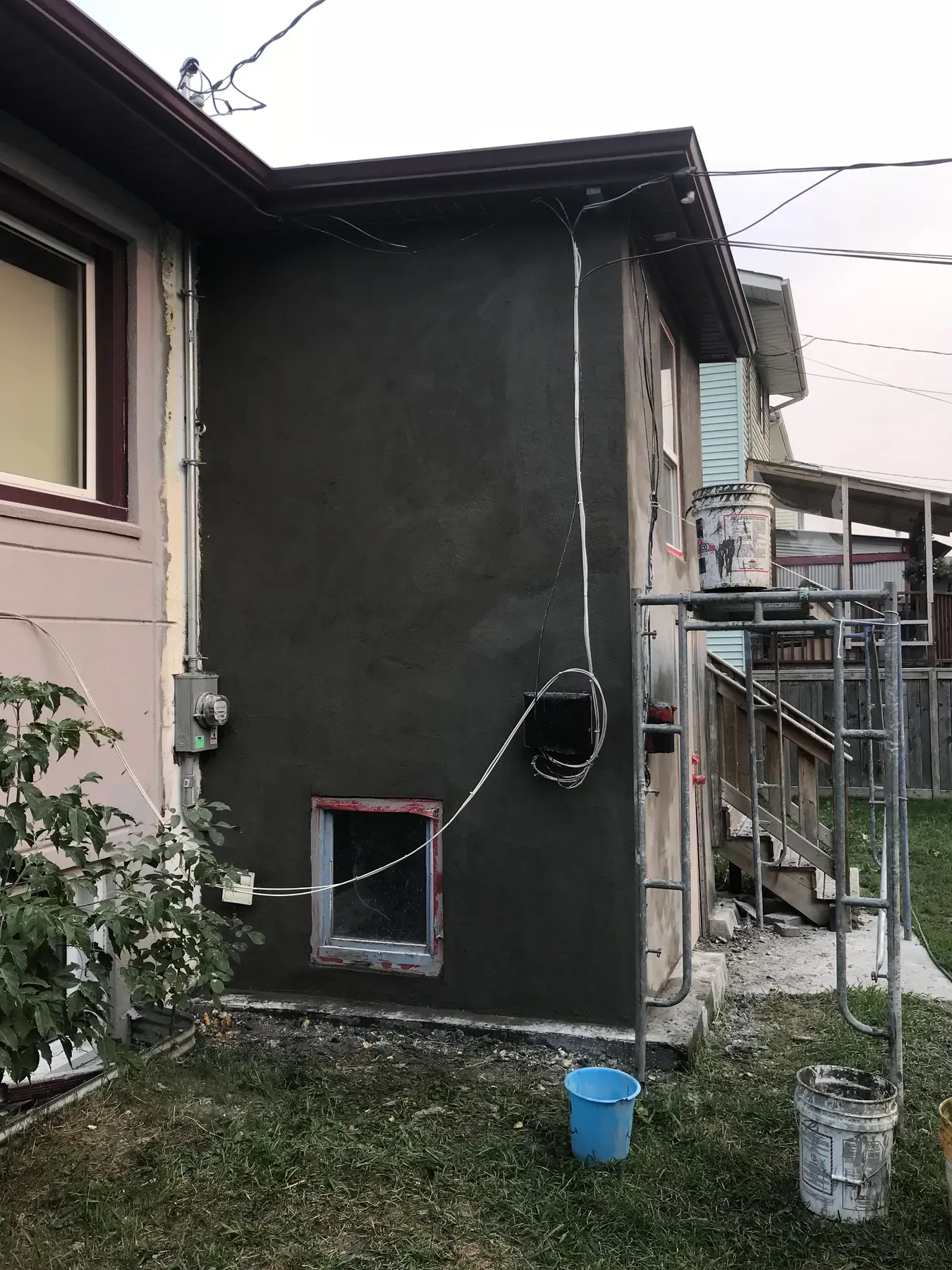
We moist cure the base coats for their first 48 hours and do not apply the finish over a base that has not cured. We seal between stucco and every window and door frame, and we place joints where the wall changes material or plane. Sika’s technical bulletin on stucco cracks notes that minor cracking at the corners of doors and windows “should be anticipated”, so we tell you that before the job starts, not after.
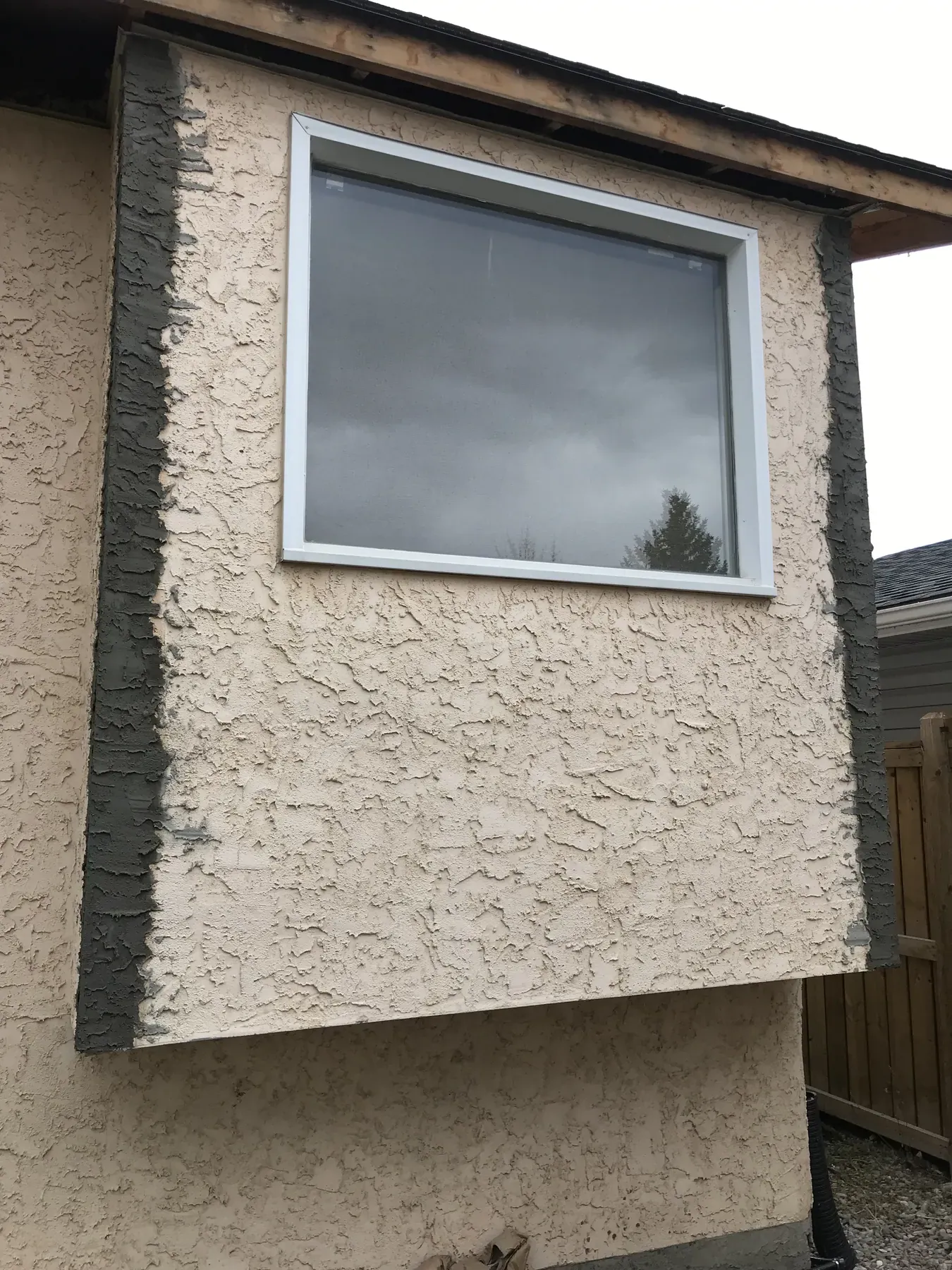
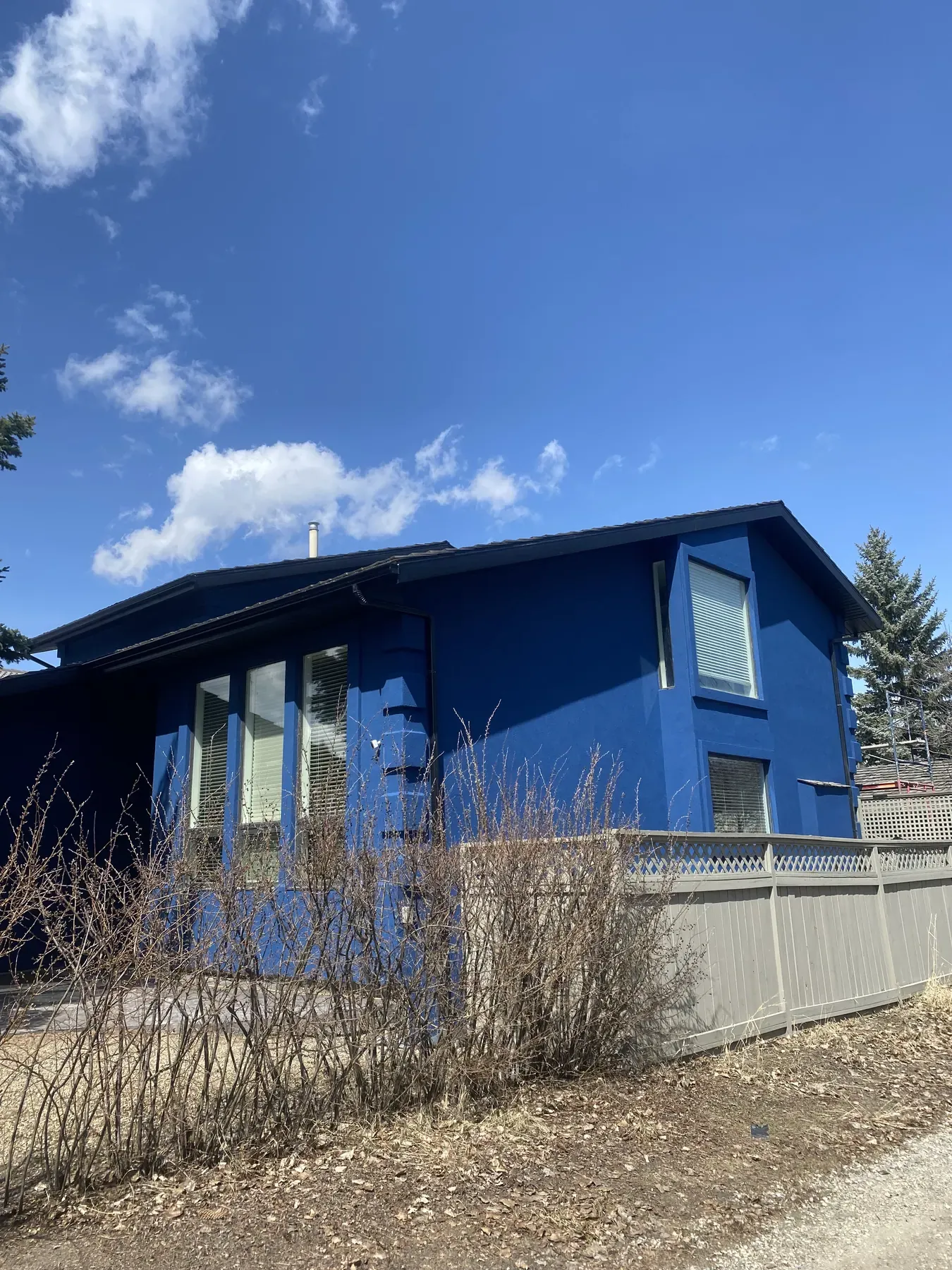
If the membrane and lath behind a damaged area are sound, we cut back to solid stucco, tie new lath into the old, rebuild the base coats and finish. If the wall shows water damage behind the stucco, a patch only hides it, and we quote a re-stucco of that elevation. For colour, we finish the whole elevation from corner to corner. Dryvit’s own repair procedures recommend a final coat over the whole wall for colour uniformity, and the same logic applies to cement stucco.
05 · In short
Stucco in Calgary lasts when the lath, membrane and base coats are built to the National Building Code, Alberta Edition and cured warm, with at least 15 mm (5/8 in) of stucco on a membrane that drains. Sela Developments installs new stucco, re-stuccoes older homes, repairs cracks and impact damage, and colour matches finishes across whole elevations.
The City of Calgary notes that stucco holds up to moderate hail but that moisture and snow can cause shrinking and cracking, so the wall behind it matters. If you are weighing materials, compare stucco with siding options for Calgary homes, or read how stucco fits into a full exterior renovation. For storefronts, plazas and industrial buildings, see commercial contracting. Then send us photos of the wall and we will book a visit.
Last reviewed October 22, 2026 by the Sela Developments team. See our editorial policy for how we write and check these pages.
On the job
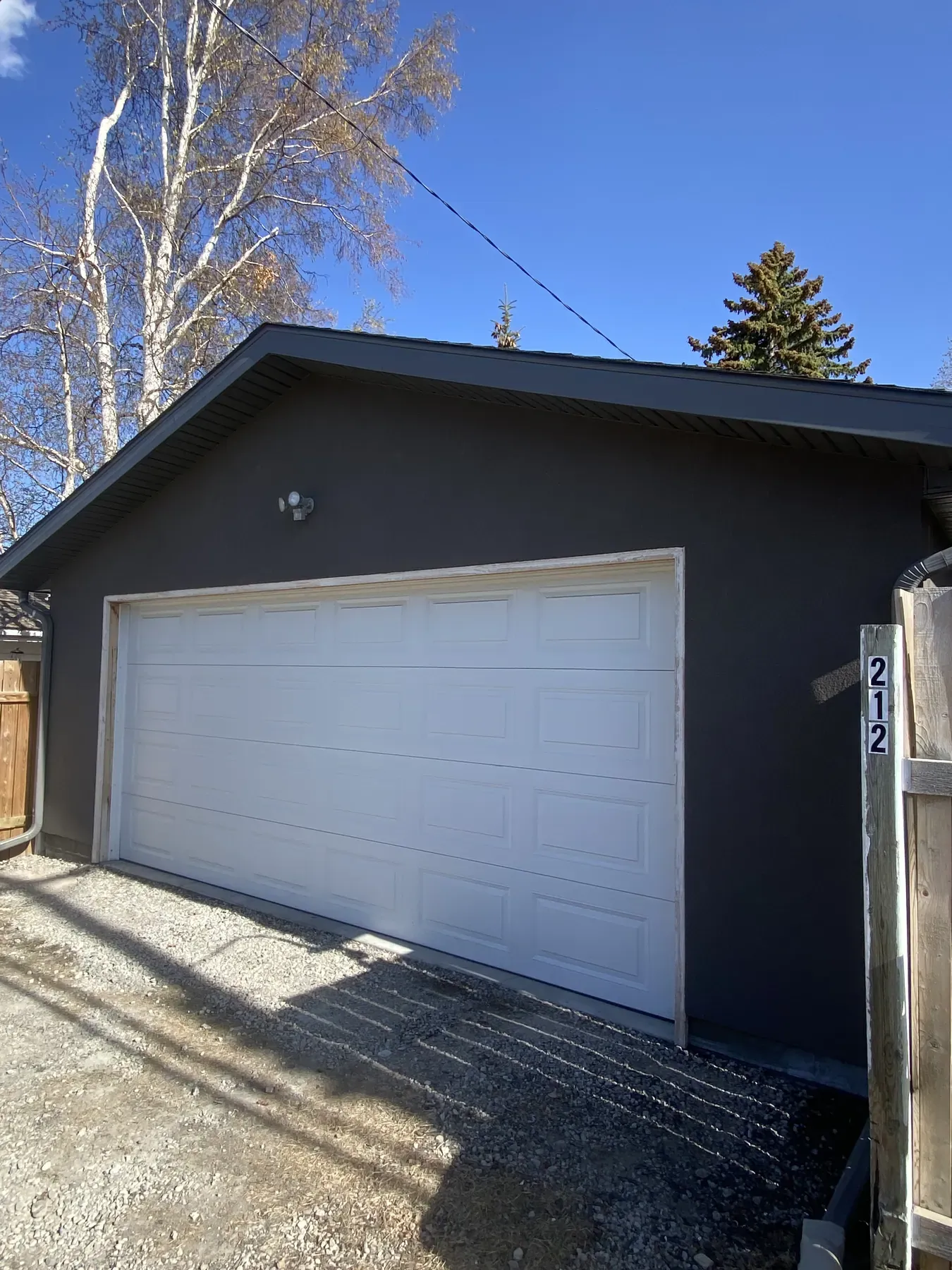
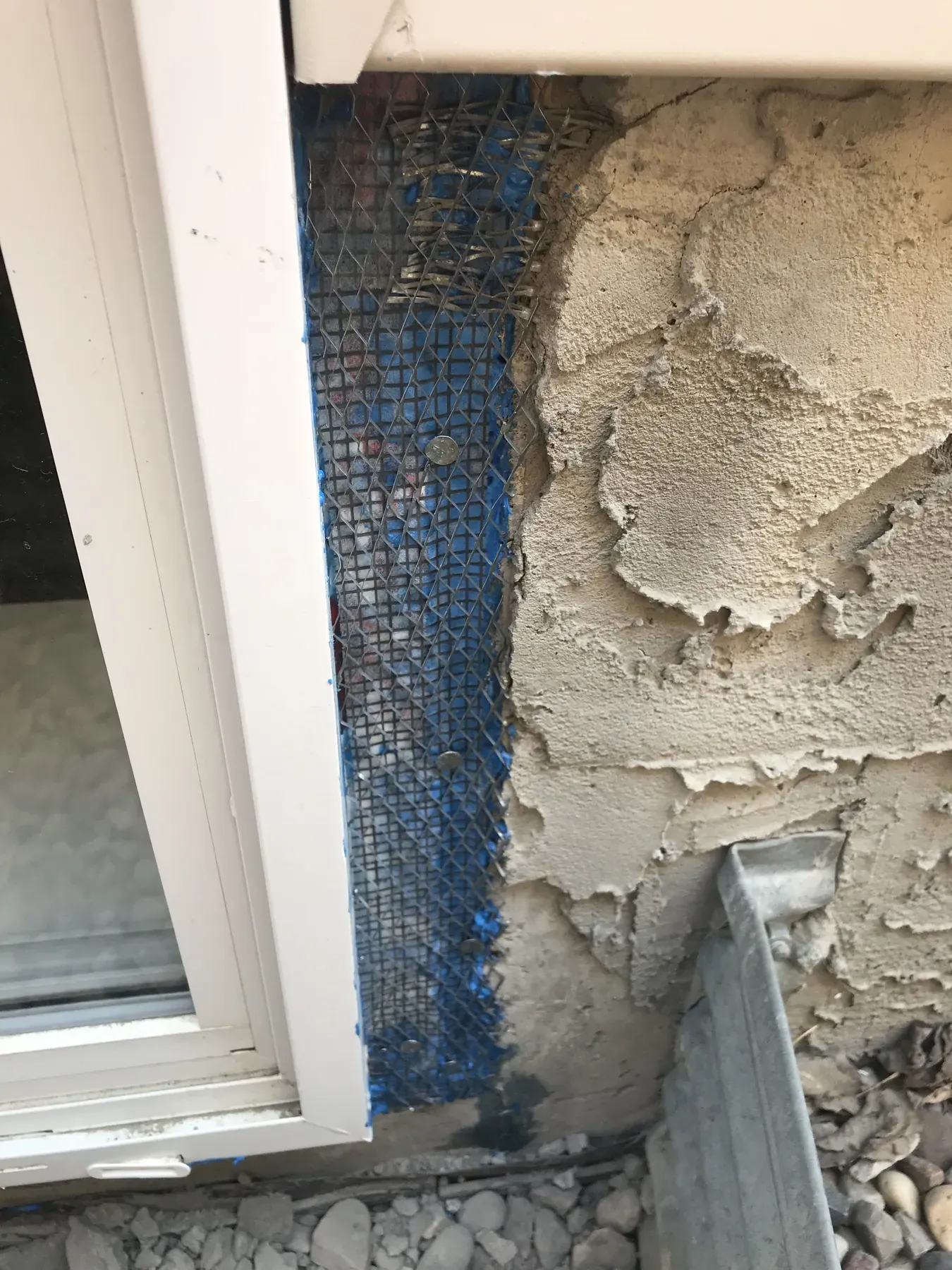
Under the National Building Code, Alberta Edition, stucco on houses and small buildings needs at least two base coats and one finish coat with a total thickness of at least 15 mm (5/8 in) from the face of the lath. Each base coat must be at least 6 mm thick and the finish coat at least 3 mm. One-coat systems are thinner and follow the manufacturer's instructions.
Yes, if the wall is enclosed and heated. The building code requires the base to stay above freezing and the stucco to stay at 10°C or warmer during application and for at least 48 hours after. In a Calgary winter that means hoarding and heaters around the wall. Without them, we schedule the cement coats for warmer weather.
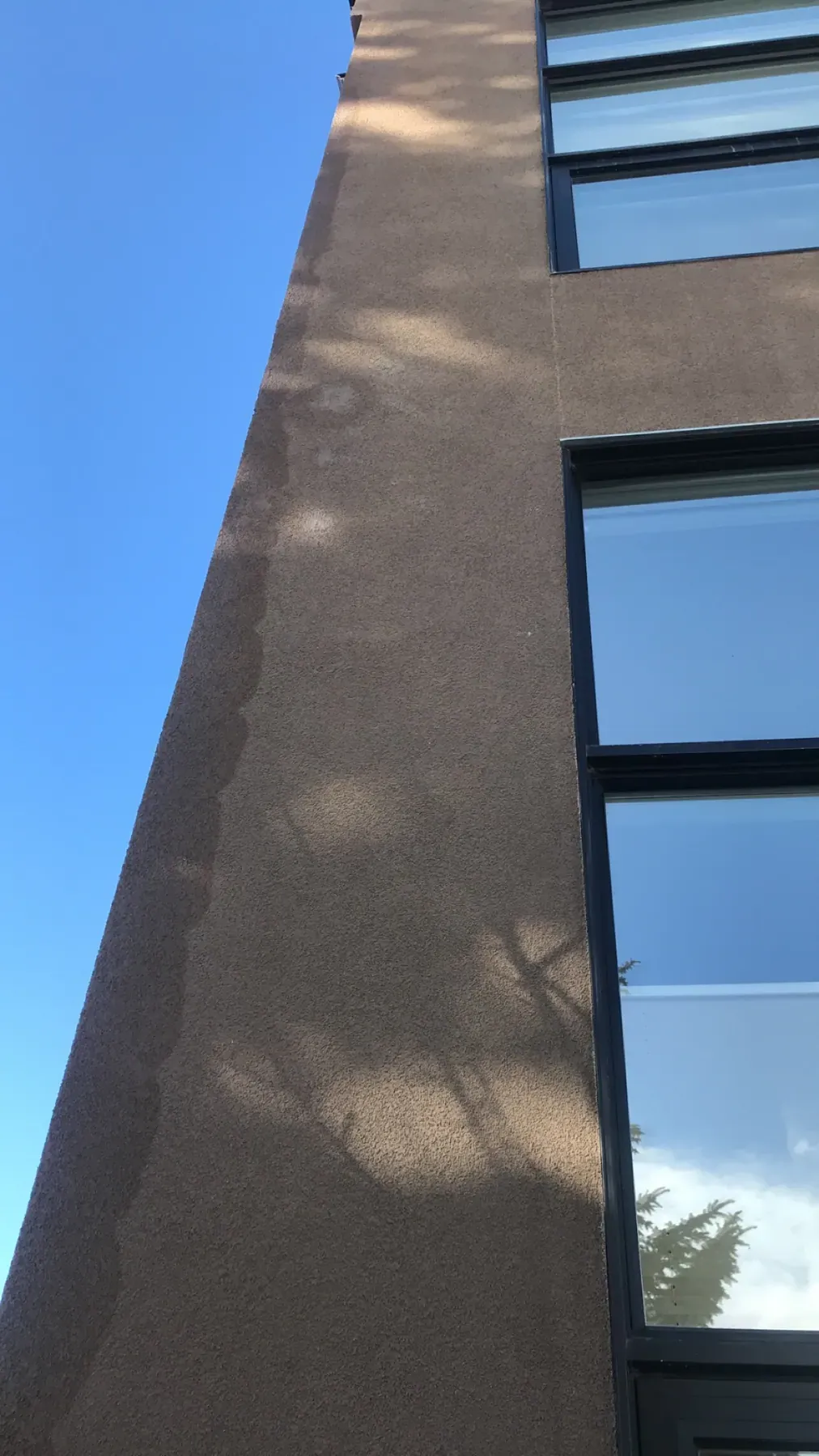
Common causes are framing that shrinks or twists as it dries, missing or misplaced control joints, gaps in the sheathing, thermal movement, and stucco that was not moist cured for its first 48 hours or got its finish coat too early. Fine cracks at the corners of windows and doors are expected. Wide, stepped or stained cracks need a closer look.
We match the texture by hand and the colour as closely as the product allows, but a patch on a weathered wall rarely disappears completely. The reliable fix is a new finish coat over the whole elevation, from corner to corner or joint to joint, so the eye has no edge to catch. We price both options so you can choose.
Yes. We repair and replace stucco on storefronts, plazas, industrial walls and multi-family buildings, including work under heated hoarding in cold weather. On commercial buildings the wall assembly is often designed by an architect or engineer, and we build to those drawings and the manufacturer's system requirements.
Send photos of the wall, close-ups of any cracks or damage, and the address. We visit, check what is behind the stucco, and quote repair or re-stucco in writing.