Skip to content
Sela Developments

Residential General Contractor in Calgary

Sela Developments is a residential general contractor in Calgary, Alberta. Residential general contractors in Calgary run home projects for the owner, from renovations and basement development to additions, detached garages and infill builds. We write the scope, apply for City of Calgary permits, schedule the trades and inspections, and plan the work so you can keep living in the house. Alberta adds homeowner protections we work to, including a prepaid contracting licence, a written contract with cancellation rights, and builder licensing and warranty on new homes.

Project types
Renovations, basements, additions, garages, infill
Basement or new garage building permit
$333.84 (City of Calgary)
Addition over 400 sq ft, building permit
$1,302.08 (City of Calgary)
New home warranty minimum
1, 2, 5 and 10 years (Alberta)
Prepaid contracting licence
[Licence no.]
WCB Alberta
[Account no.]
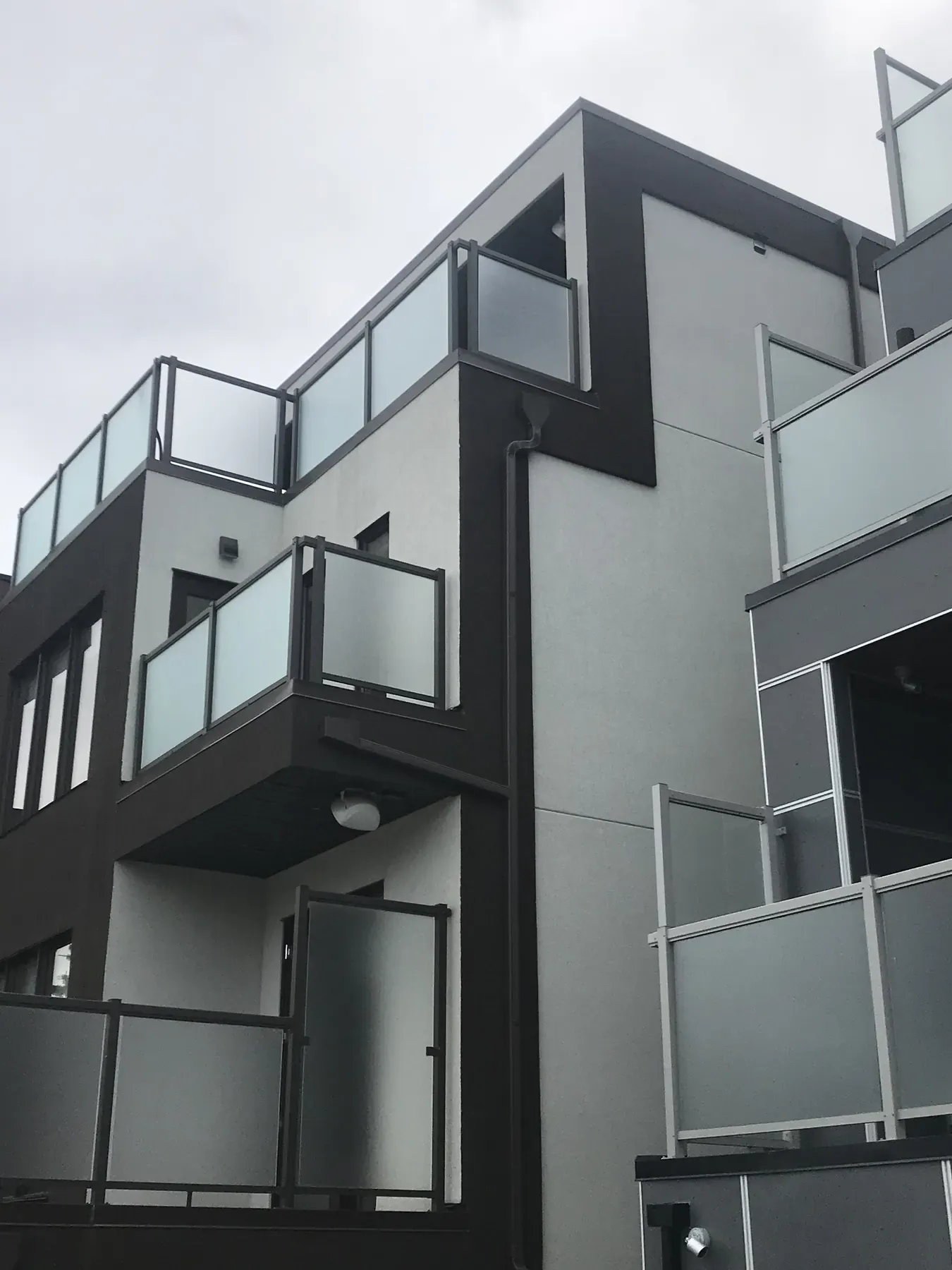
Modern infill rowhouse in Calgary with light grey stucco, dark trim and stacked balconies with frosted glass railings
Infill rowhouse with acrylic stucco and glass balconies, Calgary.

01 · Overview

What a residential general contractor does in Calgary

A residential general contractor holds the main contract on a homeowner’s project and answers for the whole job: scope, permits, trades, inspections and handover. In Calgary that usually means one of five project types:

  1. Renovations. Kitchens, bathrooms, main floors and exterior recladding.
  2. Basement development. Finished rec rooms, bedrooms, bathrooms and legal secondary suites.
  3. Additions. New rooms, second storeys and enlarged living space.
  4. Detached garages. Foundation to finished stucco and overhead door.
  5. Infill builds. Coordinating trades and envelope packages on new infill homes.

All of it is permitted by the City of Calgary and built to the National Building Code, Alberta Edition. The 2023 edition came into force on May 1, 2024.

Calgary’s rules for homeowners have shifted recently. In April 2026, City Council made secondary suites a permitted use citywide, so a suite that meets the bylaw needs only a building permit. According to CREB, that saves up to six weeks and over $600 in fees.

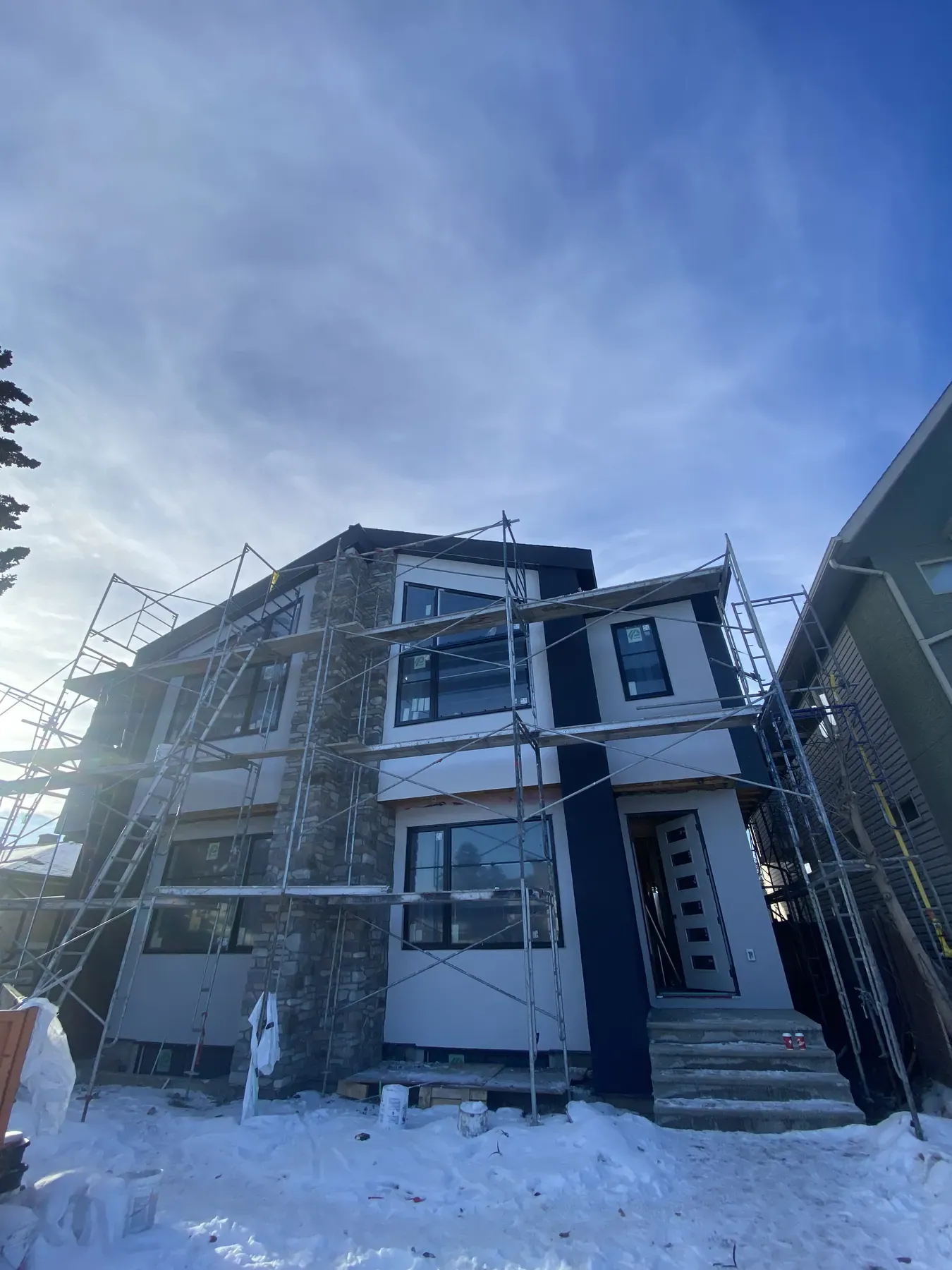
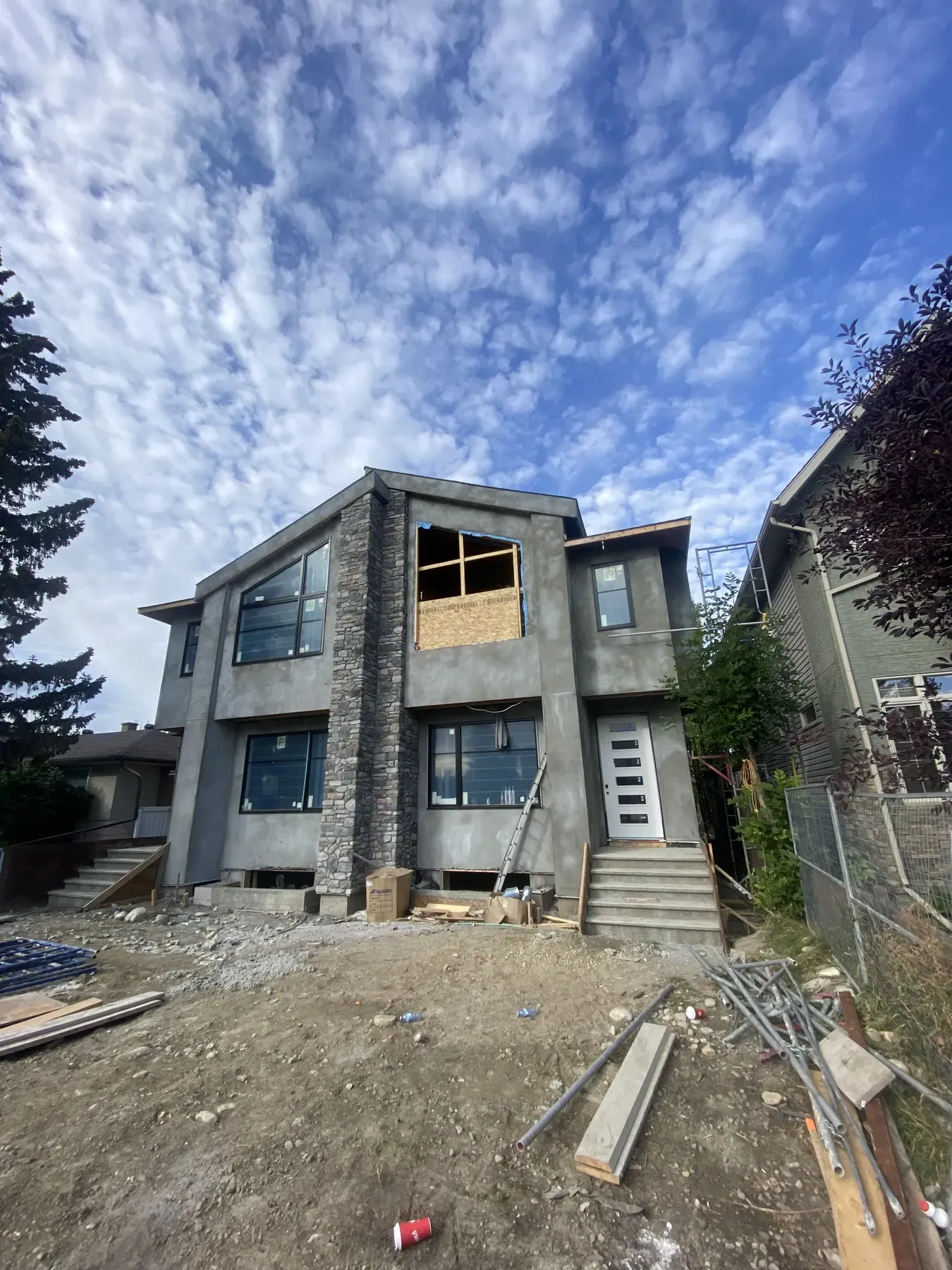
New two-storey infill home under construction with a grey stucco base coat, a stone veneer column and window openings boarded up

02 · Before you start

What homeowners in Calgary run into on a renovation or build

Homeowners ask the same five questions on almost every project.

01

Which permits does my project need?

Most structural, electrical, plumbing and gas work needs permits. A first time basement development needs a $333.84 building permit, plus separate electrical and plumbing permits. An addition under 400 sq ft is $333.84 and over 400 sq ft is $1,302.08. If the design does not meet the Land Use Bylaw, a development permit adds 10 to 12 weeks. Houses built before 1990 also need an asbestos abatement form with an addition permit application.
How we handle it
02

Can we live in the house during the work?

You are living next to a job site. Dust, noise, water shut-offs and trades at the door are part of every day until the work is done. Kitchen and bathroom work takes away the rooms you use most, and basement work can mean the furnace or water is shut off while trades connect new lines.

How we handle it
03

Who coordinates the trades on a garage or infill build?

A garage or infill home involves excavation, concrete, framing, roofing, windows, envelope, stucco or siding, electrical and inspections. If the homeowner books those trades one by one, the homeowner owns every gap between them. A garage taller than 4.6 m or larger than 75 m2 also needs a development permit, which takes 10 to 12 weeks.

How we handle it
04

What protects my deposit and my contract?

Paying before the work is finished is where homeowners lose money. Alberta’s Consumer Protection Act regulates contractors who sell residential work in person away from their place of business and take money before all the work is done. Those contractors need a prepaid contracting licence, which requires a criminal record check, security posted with the province and copies of their standard contracts.

How we handle it
05

What licence does a builder need for a new home?

New homes have their own rules. In Alberta, every residential builder must hold a licence to get permits for new homes, and the warranty provider confirms coverage before the City issues a permit. From January 1, 2027, builders applying for or renewing a licence must also confirm they meet competency requirements under the New Home Buyer Protection Act.

How we handle it

03 · Key insight

On a home project, the paperwork protects the people living there

A commercial owner usually has a property manager, a lawyer and a lender checking the contract. A homeowner usually has only the paperwork in front of them. That is why Alberta law puts its consumer protections on residential work and exempts commercial buildings from the prepaid contracting licence.

So the most useful thing a residential general contractor can do is put the job on paper in a way a homeowner can check: what is being built, which permits are needed, what you pay and when, how you can cancel, and who answers for the warranty. The building work follows from that.

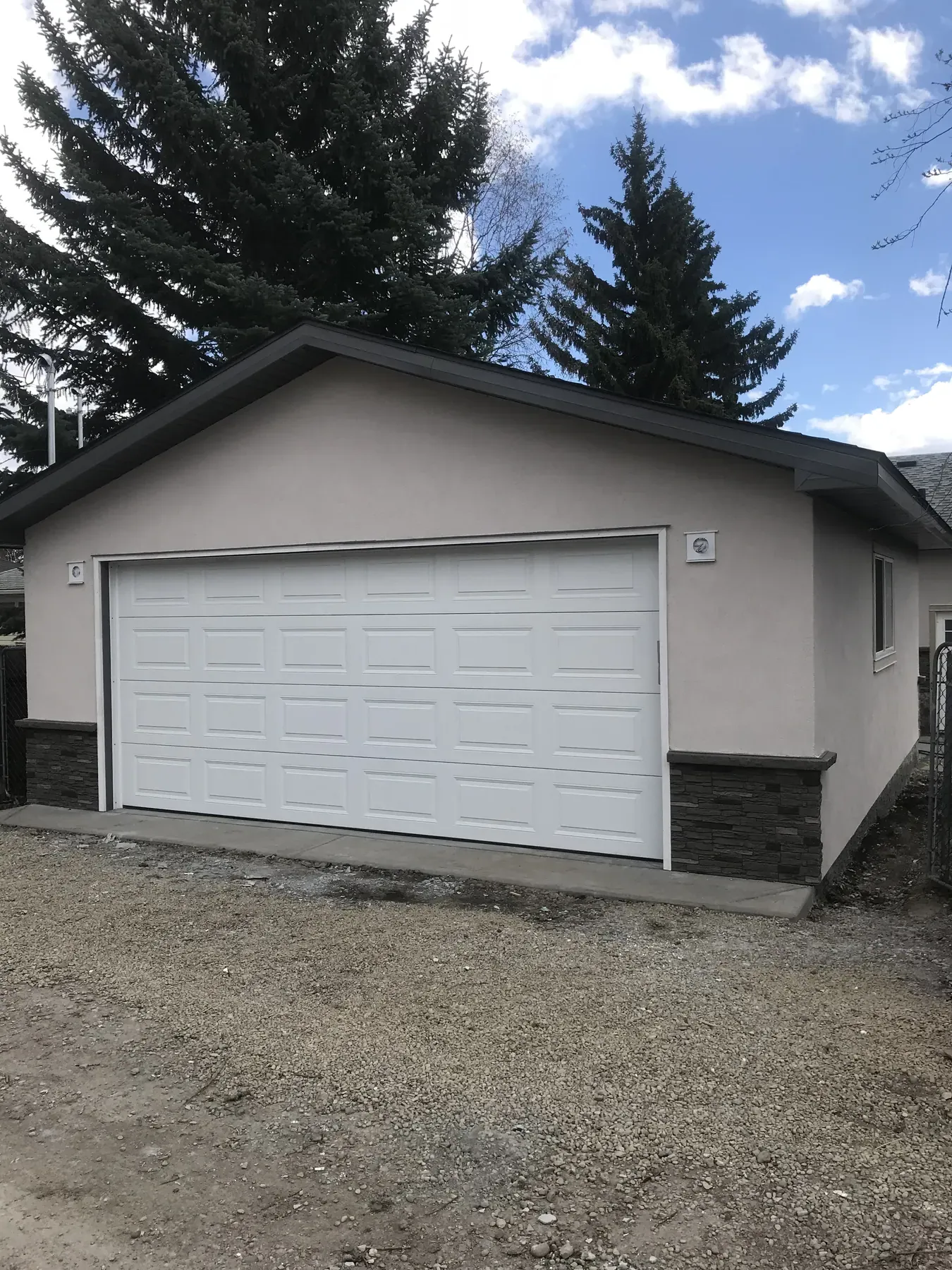
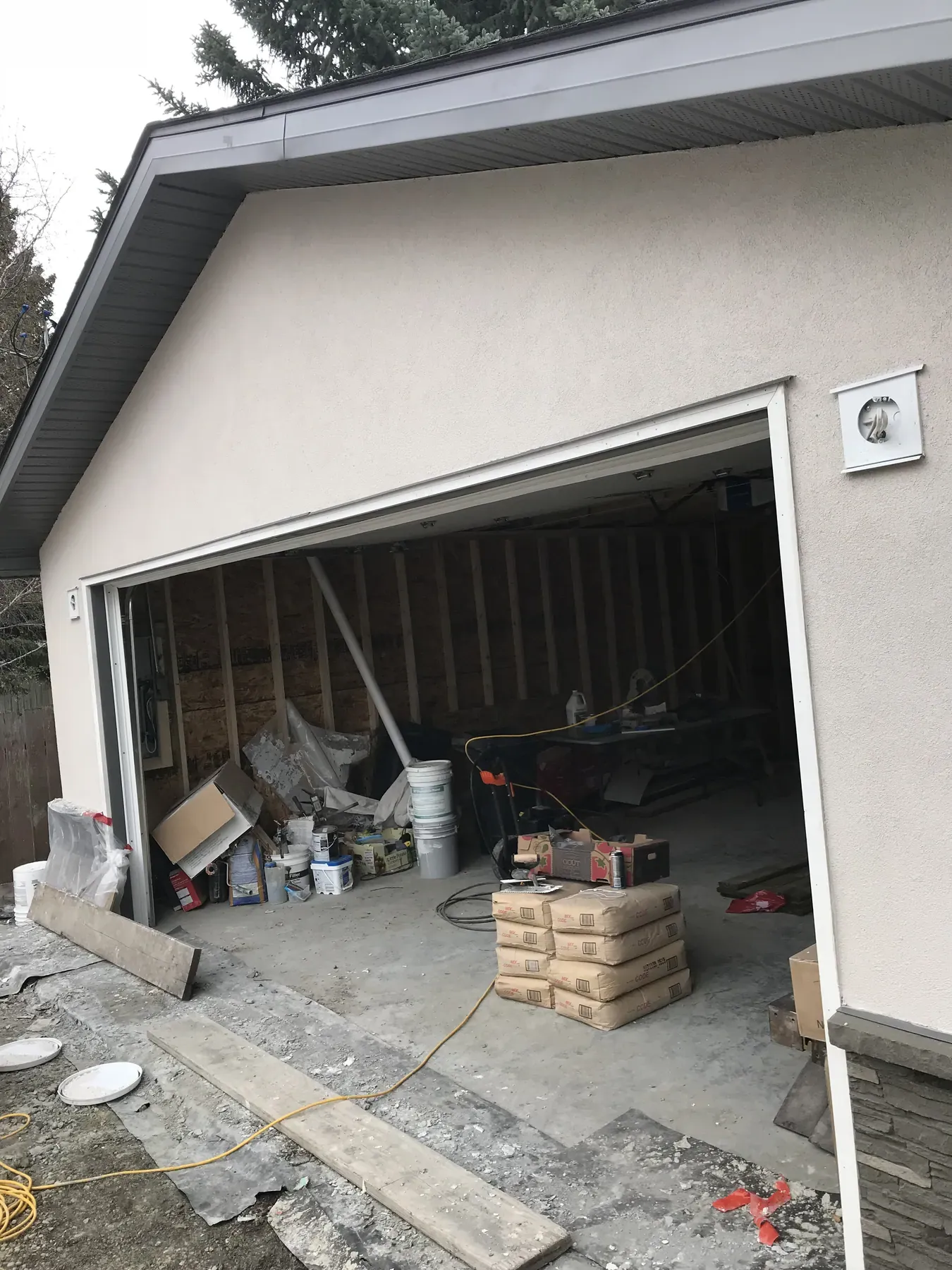
Detached garage under construction with finished stucco outside and open framing, cement bags and materials inside

04 · How we work

How we handle each one on your project

  1. Answers 01Which permits does my project need?

    We confirm and apply for the permits before the price is final

    During the site visit we list every permit your scope needs. We apply for the building permit, and licensed electricians, plumbers and gas fitters pull their own trade permits. Permit fees go in the quote as separate lines, and permit waiting time goes in the schedule.

  2. Answers 02Can we live in the house during the work?

    We plan the job around the rooms you need

    We agree working hours, put up dust walls and floor protection, and keep one bathroom and the kitchen usable wherever the layout allows. If a stage needs the water or power off, you get notice in advance. If you need to be out for a few days, that is in the schedule before work starts. Materials are staged in the garage or driveway, not your living space, and the site is swept at the end of every working day.

  3. Answers 03Who coordinates the trades on a garage or infill build?

    We run the trades on garage and infill builds

    On a detached garage we sequence the slab, framing, roof, envelope, stucco or siding and the separate electrical permit, then book each City inspection. On infill builds we coordinate the trade and envelope packages with the owner or builder so the weather barrier is checked before cladding covers it. Before the stucco or siding goes on, we photograph the sheathing, membranes and window flashing so you have a record of what is behind the finish.

  4. Answers 04What protects my deposit and my contract?

    We put deposits and payments in a written schedule

    Our prepaid contracting licence number is [Licence no.]. Every contract lists itemized prices, the payment schedule tied to completed stages, your cancellation rights, and our WCB and insurance details. You get a signed receipt for every payment. Our guide on how to hire a general contractor covers holdbacks and liens.

  5. Answers 05What licence does a builder need for a new home?

    We check licensing and warranty on new home work

    On a new home, the permit goes to a licensed residential builder ([Builder licence no., if held]), and the warranty provider has to confirm coverage first. Alberta’s minimum warranty is 1 year on labour and materials, 2 years on delivery and distribution systems, 5 years on the building envelope and 10 years on major structural components.

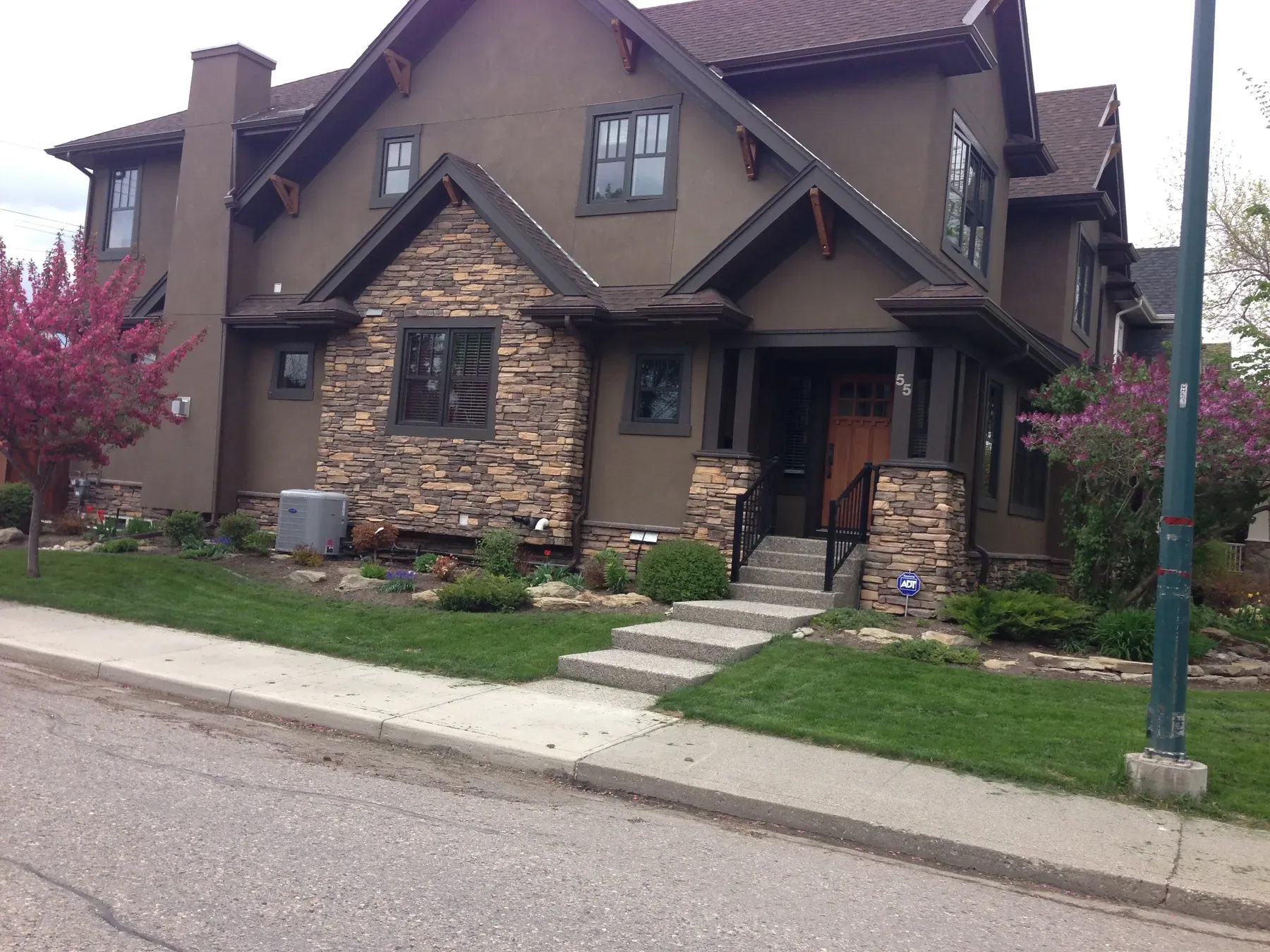
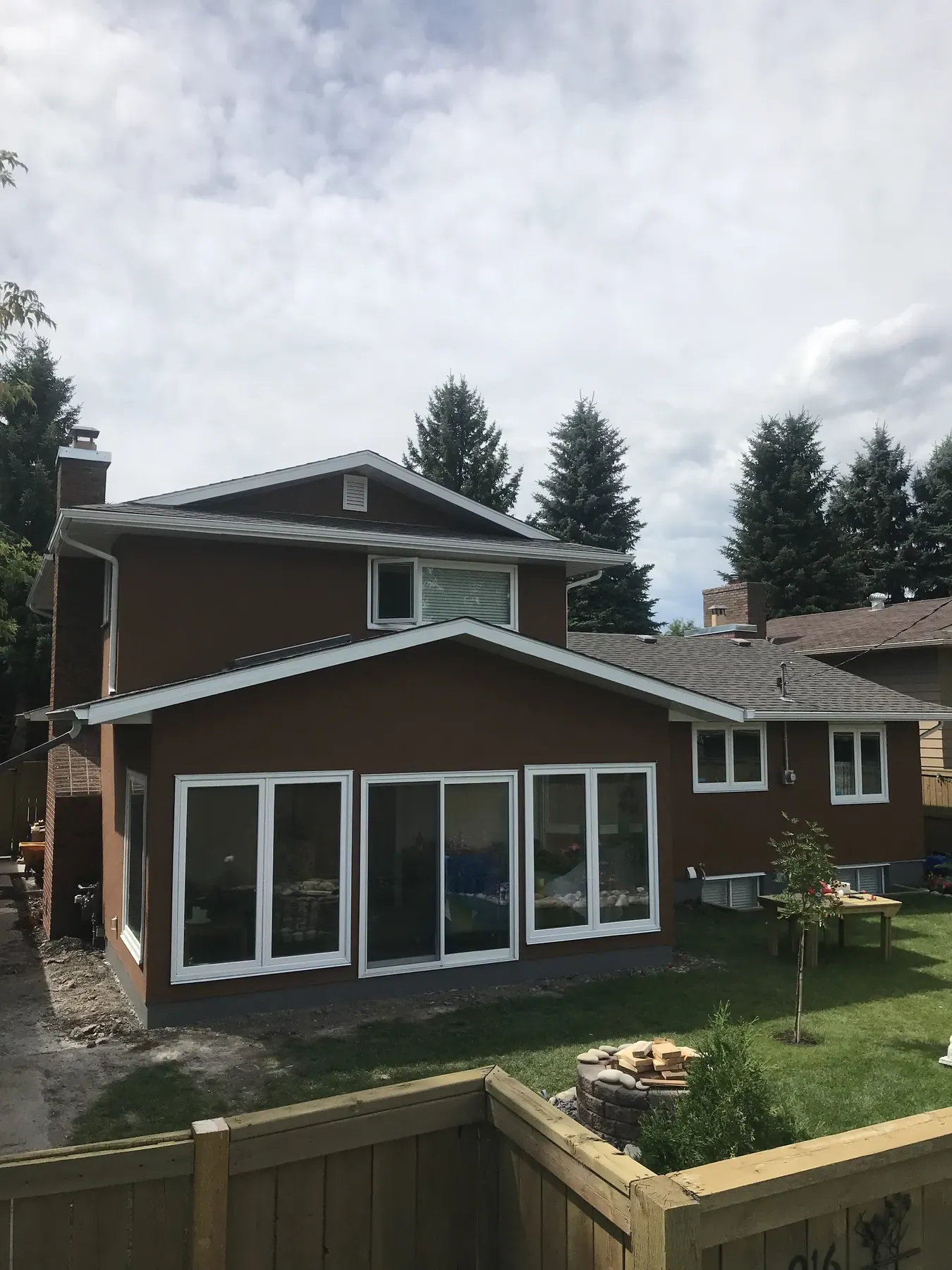
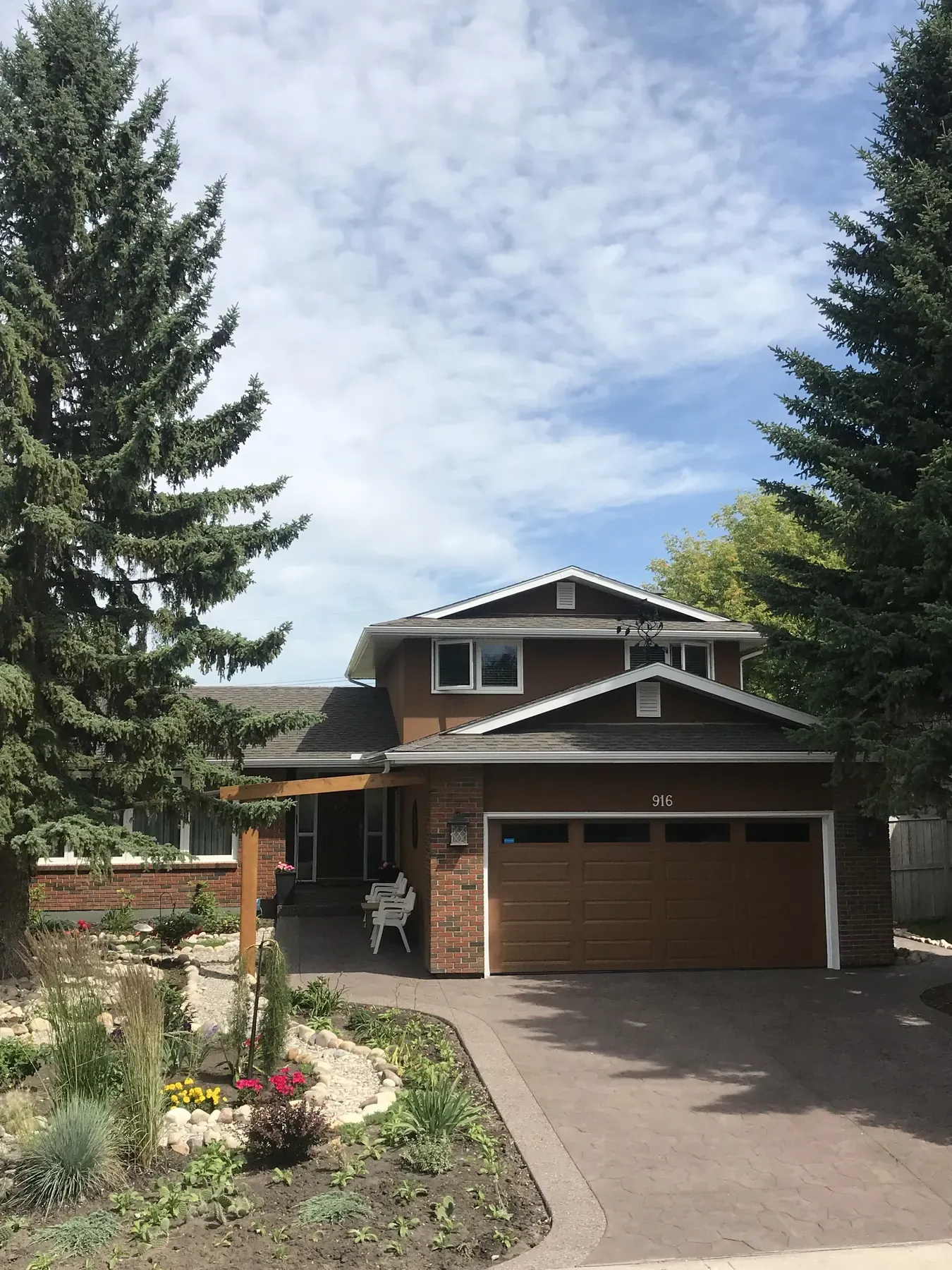
    Two-storey Calgary home with brick and brown siding, a stamped concrete driveway, a timber pergola and new landscaping

05 · In short

Residential general contracting in Calgary, from permit to handover

Sela Developments is a residential general contractor in Calgary for renovations, basement development, additions, detached garages and infill builds. We confirm the permits, write the scope and payment schedule to Alberta’s consumer protection rules, run the trades and inspections, and plan the work so your household can stay in the house.

For the full range of interior work, see home renovations, including basement development and home additions. If the property is a business, see commercial contracting. To plan a budget, read what a general contractor costs in Calgary, or go back to general contracting in Calgary. When you are ready, book a site visit.

Sources

7 cited

Last reviewed October 22, 2026 by the Sela Developments team. See our editorial policy for how we write and check these pages.

On the job

FAQ

Questions we get asked

Short answers to what owners ask us most. Something else? Ask us directly.

Do I need a permit to build a detached garage in Calgary?

Yes, if it is larger than 10 m2 (107 sq ft). The City of Calgary building permit for a new garage is $333.84 and takes about 7 days. A development permit, $550 and 10 to 12 weeks, is needed if the garage is taller than 4.6 m, larger than 75 m2, larger than the house, or needs a bylaw relaxation. Every new garage also needs a separate electrical permit.

Can I live in my house during a renovation?

Usually, yes. Most basement, exterior and addition work can happen while you live upstairs. Kitchen and main bathroom work is harder, so we plan which rooms stay usable, keep one working bathroom where the layout allows, seal the work area with dust walls, and agree on working hours. If a stage needs you out for a few days, that is written into the schedule before work starts.

What must a home renovation contract include in Alberta?

Under the Consumer Protection Act, a prepaid contract of $200 or more must include a statement of your cancellation rights, itemized prices for goods and services, full cost of credit disclosure, and both signatures. The City of Calgary also recommends the contractor's business licence number, start and finish dates, plans, materials, who handles permits and inspections, the payment schedule, insurance and WCB details.

How long do I have to cancel a renovation contract in Alberta?

If you signed a prepaid contracting contract at your home or anywhere away from the contractor's business, you can cancel within 10 days after you receive your copy, without giving a reason. Alberta also lets you cancel a contract without penalty within one year if the business is found to have used an unfair practice. Put any cancellation in writing and keep proof of when you sent it.

Does a builder need a licence to build a new home in Alberta?

Yes. All residential builders in Alberta must hold a licence to get permits for new homes, and projects that need a coordinating registered professional require a developer licence. From January 1, 2027, applicants must confirm they meet competency requirements. New homes need warranty coverage of at least 1 year on labour and materials, 2 years on systems, 5 years on the envelope and 10 years on structure.

Book a site visit at your home

Send the address, a few photos and what you want done. We visit, measure, check the permits your scope needs and send a written, itemized quote with a schedule.